Real cost of rubbish clearance in South Kensington SW7
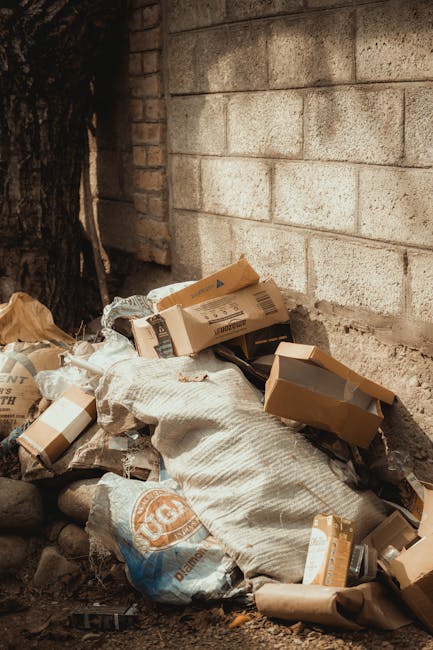
If you are trying to work out the real cost of rubbish clearance in South Kensington SW7, you are probably already past the stage of "rough idea" and into the slightly annoying bit: comparing prices that look similar but somehow never mean the same thing. One provider quotes one figure, another adds extras, and suddenly the job feels harder than the actual clearing. Sound familiar?
This guide breaks down what rubbish clearance usually includes, what changes the price, where the hidden costs tend to creep in, and how to judge whether a quote is fair for a property in SW7. We'll keep it practical and local. No fluff, no vague promises, just the kind of detail that helps you make a sensible decision before you book.
Why real rubbish clearance costs matter in South Kensington SW7
South Kensington is not the sort of place where you want waste sitting around for long. Flats can be tight on space, stairwells can be awkward, access may be limited, and parking can turn a simple job into a logistical puzzle. So the "real cost" is not just about money. It is about time, access, disruption, and whether the clearance is done properly first time.
In our experience, people often underestimate the full picture. They see the base price and forget to ask what happens if the items are upstairs, if there is no lift, if the van has to park some distance away, or if the load turns out to be mixed waste rather than a few tidy bags. That is where the numbers move.
It matters because cheap-looking rubbish clearance can end up costing more once the job starts. And let's face it, nobody wants to stand in a hallway with half a room cleared and a revised quote being explained in real time. Better to understand the structure upfront.
If your clearance involves furniture, bulky items, a flat move, an office tidy-up, or builder's debris, it can help to compare the request with related service types such as flat clearance, furniture disposal, or builders waste clearance. The job type has a real effect on cost, not just the volume.
How rubbish clearance pricing and collection usually works
Most rubbish clearance services price jobs based on a mix of volume, weight, labour, access, and disposal type. That is the short version. The slightly longer version is that two jobs with the same amount of waste can still cost differently if one is on the third floor with no lift and the other is by the kerb in easy loading range.
A provider will normally ask what you want removed, how much there is, where it is located, and whether anything is difficult to carry. Photos usually help. Sometimes a site visit is better, especially for larger clearances or mixed loads. For a small, straightforward pickup, an estimate may be enough.
The better companies are usually clear about what is included: labour, loading, transport, disposal, recycling handling, and any special allowances. If you need a more structured overview before booking, a page like pricing and quotes can be a useful starting point because it sets expectations around how estimates are typically formed.
At the collection stage, the team should arrive, confirm the load, and then clear the agreed items. A good operator will separate reusable or recyclable material where possible and keep you informed if anything changes. That part matters more than people think. A neat quote is only half the story; a tidy removal is the bit you actually remember.
Key benefits and practical advantages
The obvious benefit is convenience. You do not have to hire a vehicle, lift heavy items yourself, or spend a Saturday doing trips to a disposal site. But the more interesting benefit is predictability. Once you understand the real cost, you can compare providers on a like-for-like basis rather than guessing.
- Less stress: One scheduled collection is easier than organising multiple disposal runs.
- Safer lifting: Heavy furniture and awkward bags are handled by people who do this every day.
- Faster turnaround: Useful when you are between tenancies, renovating, or getting a space ready for use.
- Better space planning: Empty rooms make it much easier to decorate, clean, or sell a property.
- Potential recycling value: Some materials and items can be separated for reuse or recycling, which supports better waste handling.
There is also a practical financial benefit: knowing the real cost helps you avoid paying for extra journeys, unnecessary labour, or last-minute add-ons. A clear quote tends to save money even when it is not the lowest number on the page. Funny how that works.
For households, the savings can be emotional as well as financial. A cluttered loft or a packed spare room quietly eats into your day. For businesses, it can free up floor space that is costing money every week. That is not dramatic, just true.
Who this is for and when it makes sense
Rubbish clearance in South Kensington SW7 makes sense for a wide range of people, but the need tends to show up at fairly specific moments. Usually when something has been put off for too long, or when a deadline suddenly appears.
- Homeowners clearing unwanted items after a move, refurb, or general tidy-up
- Tenants needing a flat cleared before check-out or handover
- Landlords dealing with leftover furniture or abandoned belongings
- Businesses clearing desks, filing, packaging, or unwanted stock
- Contractors removing waste after light building or refurbishment work
- People dealing with garages, lofts, sheds, or storage spaces that have become a bit of a museum
If your situation is more property-wide, a house clearance or home clearance may be more appropriate than a simple rubbish pickup. The same goes for bulkier items; if the main problem is sofas, wardrobes, and tables, then furniture clearance might be the better fit.
Truth be told, people often wait until a room becomes difficult to use before getting help. That is fine. You do not need to justify it. If the pile is in the way, it is in the way.
Step-by-step guidance
If you want a realistic way to judge cost and avoid surprises, use a simple process. It does not need to be complicated. In fact, the simpler it is, the better the result tends to be.
- List what needs removing. Separate furniture, general rubbish, DIY waste, garden waste, and anything potentially special or awkward.
- Estimate the amount. A few bags, a quarter van load, half a van load, full van load - rough sizing is useful even if it is not perfect.
- Check access. Note stairs, lifts, narrow entrances, restricted parking, or long carry distances.
- Ask what is included. Make sure labour, loading, disposal, and any recycling handling are clear.
- Request photos or a site visit if needed. This is especially helpful for mixed loads or large clearances.
- Compare on total cost, not headline cost. A lower quote with extra charges is not a bargain.
- Confirm timing. If you need a same-day or timed collection, check whether that changes the price.
For business premises, office layouts and working hours can change the process quite a bit. If you are clearing out commercial space, a dedicated office clearance or business waste removal service may be a better match than a one-off general rubbish job.
A good rule of thumb: the more clearly you describe the job, the better the quote. Messy brief, messy number. Clean brief, cleaner number.
Expert tips for better results
Here are the small things that make a noticeable difference in both price and experience.
- Separate reusable items from general rubbish. It helps the team understand the load and can improve handling.
- Stack items neatly where possible. Accessible waste is quicker to load, which can help keep labour time sensible.
- Measure awkward items. A large wardrobe may look manageable until you realise it is wider than the landing.
- Take photos in daylight. Weirdly, this really helps. Dim phone photos from a hallway rarely tell the full story.
- Be honest about what is included. If there is a basement, loft, or hidden pile of bags, say so early.
- Ask about recycling approach. A responsible operator should be able to explain how recyclable material is handled.
Another small but useful tip: if you are doing a broader declutter, consider whether a garage clearance, loft clearance, or even a garden clearance would be more efficient than booking separate one-off visits. Sometimes one organised job is cheaper than three small ones. Sometimes.
And if you want to understand the company behind the service before booking, it can help to review the about us page. Not because every business page is thrilling, but because it gives you a feel for how they operate and what standards they care about.
Common mistakes to avoid
Most surprise costs come from avoidable miscommunication. That is the honest answer. Here are the big mistakes people make again and again.
- Only asking for a rough number: Without item detail, the quote may be too loose to trust.
- Ignoring access issues: Stairs, lifts, and parking can make a big difference.
- Assuming all waste is the same: Mixed loads, heavy material, and bulky items can be handled differently.
- Forgetting to ask about extras: Waiting time, additional labour, or second trips can change the final bill.
- Comparing different service types as if they were identical: Furniture removal, builders waste, and whole-property clearances are not priced in the same way.
One more thing: do not treat the cheapest quote as automatically the best quote. In rubbish clearance, the low number is sometimes just the opening move. To be fair, that happens in a lot of trades, not only this one.
If you are dealing with broken sofas, old wardrobes, or a few bulky pieces, a more focused option like furniture disposal can sometimes be simpler than a general waste booking. Matching the job to the service usually saves hassle.
Tools, resources and recommendations
You do not need fancy software to work out the real cost of rubbish clearance. A few simple tools and habits will do most of the work.
- Phone camera: Take clear photos of the items, the access route, and any awkward corners.
- Notes app: Write down item counts, approximate sizes, and any special instructions.
- Measuring tape: Useful for oversized furniture, loft openings, or tight stairwells.
- Calendar reminder: Helpful if you are coordinating a move, cleaner, decorator, or letting agent.
- Quote comparison checklist: Keep one list of what each provider includes so you are not comparing apples with pears.
For service standards, payment confidence, and what to expect before and after booking, the pages on payment and security and insurance and safety are worth reading. They help you check the basics without overcomplicating the decision.
If sustainability matters to you - and for many people it does - look for a provider that can explain its approach to reuse and recycling. The recycling and sustainability page can give you a useful sense of that philosophy.
Law, compliance, standards, or best practice
Rubbish clearance is not just a practical job; it also sits within wider waste-handling expectations. You do not need to become a legal specialist, but you should expect the provider to work responsibly.
Good practice usually includes appropriate handling of waste, clear pricing, safe loading methods, and suitable disposal routes. If commercial rubbish is involved, businesses should be especially careful about how waste is stored, moved, and documented. In a shared building or managed property, that becomes even more important.
Safety is a big part of the picture too. Heavy lifting, sharp edges, broken glass, damp materials, and narrow access routes all carry risk. A professional team should know how to manage those issues sensibly, without making a drama out of it.
For that reason, it is sensible to check a provider's stated policies before you book. The pages on health and safety policy, terms and conditions, complaints procedure, and privacy policy help show whether the business is organised and transparent. Not glamorous, maybe, but useful.
If the clearance involves sensitive materials, a business setting, or a property with multiple occupants, the standards around communication and handling matter just as much as the actual loading. A tidy process is usually a sign of a careful operator.
Options, methods, or comparison table
There is more than one way to clear rubbish in South Kensington SW7. The best option depends on how much you have, how quickly it needs to go, and how much effort you want to spend. Here is a straightforward comparison.
| Option | Best for | Typical strengths | Possible drawbacks |
|---|---|---|---|
| One-off rubbish clearance | Mixed household waste, clutter, general unwanted items | Fast, convenient, minimal effort for the customer | Can cost more per item than self-disposal for very small loads |
| Furniture-focused removal | Sofas, beds, wardrobes, tables | Good for bulky items, easier to plan around access | Not ideal if the job includes lots of mixed rubbish |
| Builders waste clearance | DIY debris, renovation leftovers, rubble, packaging | Matches heavier, messier loads well | Needs clearer item description to price accurately |
| Full property clearance | Flats, houses, inherited properties, end-of-tenancy clears | Comprehensive and efficient for larger jobs | Usually needs more planning and possibly a site review |
| Self-removal | Very small loads with plenty of time and transport | Potentially cheaper on paper | Time-consuming, physically demanding, and less convenient |
In a compact area like SW7, convenience often wins. But convenience should still be measured against total cost, not just speed. If a job is mainly old office chairs, a business-specific clearance may make more sense. If it is a packed attic, a loft clearance can be the cleaner route.
Case study or real-world example
Here is a realistic example. A resident in South Kensington has cleared out a spare room after a long-delayed refurb. The room contains two bedside tables, a broken chest of drawers, four bags of mixed rubbish, some packaging from new furniture, and a few small items from the hallway. Nothing extreme. But access is through a narrow staircase, and parking is not exactly generous.
If they ask for a vague quote based only on "some rubbish", the provider may need to build in a margin. If they send photos, list the items, and mention the access details, the estimate can usually be much sharper. The final price still depends on the actual load on arrival, of course, but the room for surprise shrinks a lot.
In this kind of job, the real value is not only the cost. It is the saved time, the reduction in lifting, and the fact that the room becomes usable again the same day. That moment when you can see the floor properly again - strange as it sounds - is often what people remember most.
For a slightly larger setup, such as a home that needs multiple areas cleared, a combined home clearance and furniture removal approach can be more efficient than splitting the work into several visits.
Practical checklist
Use this before you request a quote or book a collection.
- List every item or waste type that needs removing.
- Take clear photos from a few angles.
- Note any stairs, lifts, low ceilings, or narrow corridors.
- Check whether parking or access is restricted.
- Ask what is included in the quote.
- Confirm whether labour, loading, and disposal are all covered.
- Check if the provider separates recyclable material.
- Ask whether there are charges for extra volume or difficult access.
- Review payment terms before agreeing.
- Make sure the collection time works with your schedule.
Quick takeaway: the best quote is the one that matches the job properly, not the one that merely looks cheapest at first glance.
Conclusion
The real cost of rubbish clearance in South Kensington SW7 depends on more than the size of the pile. Access, labour, item type, timing, and disposal handling all shape the final number. Once you understand those factors, it becomes much easier to compare quotes and avoid unpleasant add-ons.
For most people, the smartest move is simple: describe the job clearly, compare like with like, and choose the provider that feels transparent from the start. That is usually where the genuine value sits. Not in the flashiest headline price, but in the ease of the whole experience.
If you are ready to get a clearer figure for your clearance, speak to a local team that understands SW7 properties, access quirks, and the value of an efficient, respectful service.
Get a free quote today and see how much you can save.
Frequently Asked Questions
What affects the real cost of rubbish clearance in South Kensington SW7?
The main factors are volume, weight, access, labour time, item type, and whether the waste is mixed, bulky, or difficult to move. Parking and stairs can matter too.
Is rubbish clearance usually charged by the load or by the hour?
It varies by provider, but many jobs are priced using a combination of load size, labour, and disposal type. Larger or more complex clearances may involve a site-based estimate.
Why do two quotes for the same job come back so differently?
Usually because the providers are making different assumptions about access, disposal costs, or how much labour will be needed. One may be including more in the price than the other.
Can I get a more accurate rubbish clearance quote from photos?
Yes. Clear photos are often the quickest way to get a realistic estimate, especially if you include shots of staircases, doorways, and the full pile of waste.
Does bulky furniture cost more to remove than general rubbish?
It often does, because furniture can take more time to carry, load, and sort. Items such as wardrobes, sofas, and beds may need a service tailored to bulky waste.
Is it cheaper to clear rubbish myself in South Kensington SW7?
Only sometimes. If you have very little waste and easy access to transport, self-removal may look cheaper. But once you factor in time, parking, lifting, and disposal effort, it is not always the best value.
What should be included in a proper rubbish clearance quote?
A proper quote should explain labour, loading, transport, disposal handling, and any conditions that might change the price, such as access issues or extra volume.
How can I avoid hidden charges?
Be detailed about what needs removing, share photos, ask what is included, and confirm whether extra labour or difficult access will cost more. Clear communication prevents most surprises.
Do rubbish clearance services recycle items where possible?
Many do, and it is sensible to ask how a company handles recyclable material. A responsible provider should be able to explain its approach in plain English.
Is rubbish clearance different from house clearance or office clearance?
Yes. Rubbish clearance is usually smaller or more general, while house clearance and office clearance are broader services for larger volumes, multiple rooms, or more structured property emptying.
How quickly can rubbish be cleared in South Kensington SW7?
Sometimes the same day, depending on availability and the size of the job. Smaller clearances are usually easier to schedule quickly than larger or more complex ones.
What is the best way to prepare before the team arrives?
Make sure the items are identified clearly, access is open, and any personal belongings are removed from the waste. A little preparation really does help the job go smoothly.