Garden clearance in South Kensington
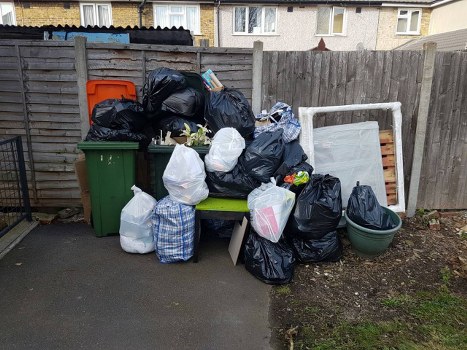
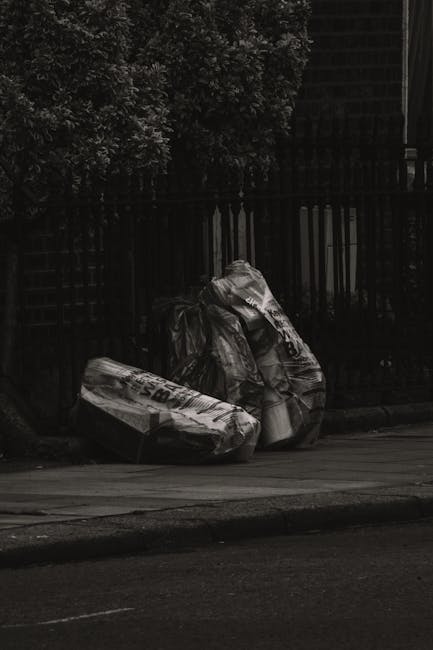
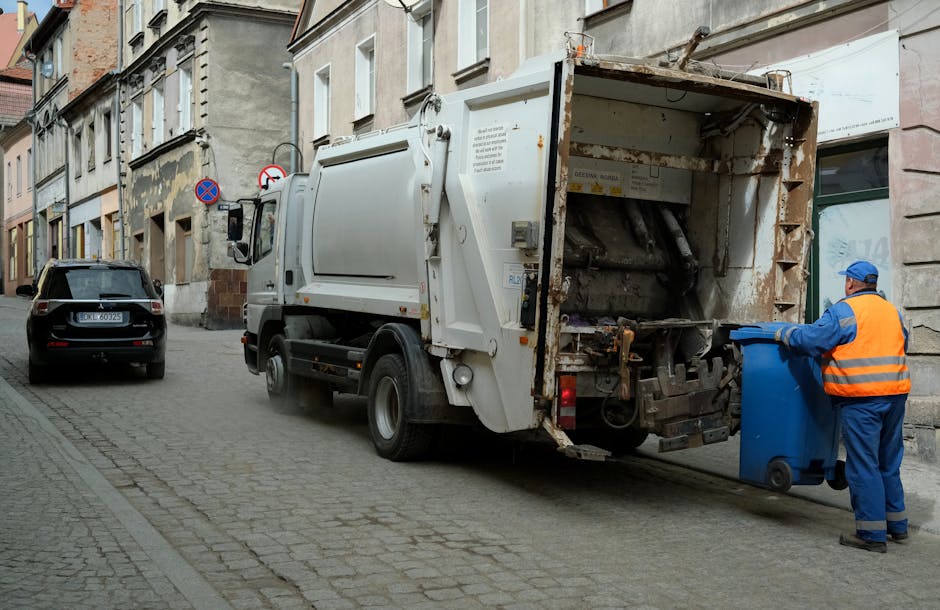
Garden clearance in South Kensington should leave outdoor space tidy, usable and ready for the next stage of the season. We provide a practical service for removing green waste, broken outdoor items, plant cuttings, soil-contaminated debris and other unwanted garden materials, with a straightforward approach that suits both smaller courtyards and larger private gardens. The focus is on efficient clearance, careful sorting and a finish that helps you regain control of the space without unnecessary disruption.
Our garden clearance work can support routine cut-backs, end-of-tenancy clearances, one-off tidy-ups and outdoor prep before landscaping or replanting. Where items can be separated for recycling or reuse, they are handled with that in mind. We can also remove mixed loads from sheds, borders, paths and patio areas when a garden has accumulated more than simple green waste. If you are planning a clear-out, start by listing the main items you want removed and then request a quotation when you are ready.
Typical jobs may include hedge trimmings, branches, leaves, old pots, damaged furniture and weathered decorative items, along with general clutter that has built up outdoors over time. A tidy clearance can make maintenance easier, but it is also useful when you want a clean slate before repair work, planting or a redesign. Our aim is to keep the service clear and workable, so you know what can be removed and what should stay in place.
Garden waste removal and mixed outdoor clutter
Garden waste removal often begins with separating natural material from other outdoor rubbish so the collection can be handled properly. Grass cuttings, prunings, dead plants and hedge waste behave differently from timber, broken planters or general shed contents, so a careful sort helps the job run smoothly. In many clearances the load is mixed, and that is where a sensible plan matters most: the team can work through the accessible areas, gather loose waste and remove the items that no longer serve a purpose.
For customers, the key decision is usually whether the work is a simple green waste collection or a fuller clearance involving mixed materials. A compact terrace garden may only need seasonal cuttings taken away, while a more established outdoor space may have stacked bags, tools, stakes, pots and loose debris. When you are preparing an enquiry, a short description of the main categories of waste is often enough; if you prefer, you can also keep notes on access, path width and where the materials are stored. Pricing and quotes can then be discussed against the actual scope rather than a guess.
In practice, a reliable clearance service should leave the space swept through and easier to inspect, with attention given to awkward corners, borders and behind larger items. That does not mean every job is the same. Some clients need all material taken away, while others want certain planters, tools or decorative features left untouched. The right approach is to be clear about what stays, what goes and whether there are any fragile surfaces or narrow access points that need a more careful method.
Green waste, cuttings and seasonal tidy-ups

Green waste can be highly seasonal, but the service itself needs to stay practical all year round. Spring jobs often involve prunings, old growth and the fallout from planting changes, while later-season work may be dominated by leaf fall, dead stems and general outdoor clutter. If you want the garden ready for use again, clearing away the debris first makes it easier to see what still needs cutting, repairing or replacing. That is especially useful where borders, lawns and paths have all become covered at once.
We can remove many forms of organic garden material as part of a broader clearance, rather than treating every load as a one-item collection. That is useful when a garden contains a mixture of natural waste and household-type objects stored outside. Garden refuse, broken canes, rotted timber, bagged weeds and similar material can often be handled together when the collection is organised sensibly. For more structured work, our garden clearance service is the main route for outdoor clean-ups and mixed removals.
Where necessary, the work can be planned around delicate planting, paving and boundary features so that clearance does not create extra mess or damage. A good outdoor tidy-up is not only about lifting waste; it is also about leaving the area easier to walk through and easier to maintain afterwards. If you are deciding between a light tidy and a more thorough clear-out, think about whether the debris is concentrated in one place or spread across beds, borders, containers and hardstanding.
Outdoor items, sheds and hard-to-move materials
Not every garden clearance is made up of cuttings and leaves. Outdoor spaces often contain items that are weathered, bulky or awkward to carry, such as plant pots, cracked ornaments, old barbecue parts, damaged seating and unused equipment. These materials may be dry and light, but they still need a sensible loading plan because they can be awkward to stack or carry through a narrow side access. A careful clearance avoids dragging items across paving or leaving debris behind in corners.
When a shed, outhouse or storage area is included, the service can extend beyond the garden itself and deal with the outdoor clutter that has accumulated alongside it. That may include hand tools, broken crates, folded fencing sections or surplus garden structures that are no longer needed. Where there are mixed materials, a practical split between recyclables and general waste is often the best approach. If you are comparing options, note whether you need a full load cleared or just selected bulky items removed from the outdoor area.
For jobs with larger or heavier pieces, access and handling matter as much as the material itself. It helps to know whether the item can be broken down before removal or needs to be taken away in one piece. Clear instructions about what should stay in place are useful too, particularly where a garden contains reused timber, stored pots or equipment that still has value. That keeps the clearance focused and avoids removing more than intended.
How we handle access, sorting and site preparation

Preparation does not need to be complicated, but it does need to be specific. If you can identify the main areas of waste, indicate whether the items are loose or bagged, and note any access issues such as steps, side gates or restricted entry, the work can be planned more accurately. For larger or more detailed clearances, a quick list of the main categories is often more helpful than a long description. The idea is to make the removal safe and efficient rather than to overcomplicate the process.
It is also sensible to decide in advance which features are to remain in the garden. Some customers want planters kept in place, while others want old timber, plant supports or unwanted containers taken away at the same time as the garden waste. Contact us if you want to discuss the scope and arrange a quotation based on the actual materials, rather than on a generic estimate. That keeps the conversation focused on what is present, what needs lifting and what access is available.
Useful information can include whether the garden is front, rear or roof-level, whether anything is stacked against a wall, and whether there are fragile surfaces that need more care. If you prefer, you can also mention whether the work is part of a larger home or flat clearance, because that can affect how the job is organised. The most practical enquiries usually give a clear picture of the items, the layout and the desired end result.
Recycling, reuse and responsible disposal
Garden clearance should be more than a rapid load-up. Once the material has been gathered, the next step is to separate what can be directed towards recycling or reuse from items that need other handling. That is particularly relevant for a mixed outdoor load that includes timber, metal, plastic, pots and organic waste. Careful sorting helps avoid treating every item as the same and supports a more considered disposal process.
For many customers, this is one of the main reasons to use a specialist service rather than trying to manage the waste in stages. The collection can be organised around categories, making it easier to remove garden debris without mixing it unnecessarily with household clutter. If your project also includes stored items from a garage or outbuilding, the work may need to be planned with those areas in mind too. Recycling and sustainability gives more detail on the broader approach to sorting and disposal.
Responsible handling matters where waste is varied, because garden loads often contain both organic material and manufactured objects. That means one bag may contain soil and weeds while another contains broken terracotta or worn-out garden plastics. A sensible clearance service should respect those differences rather than rely on a single catch-all method. The result is a cleaner outdoor space and a process that is easier to justify, especially when the area has built up over several seasons.
South Kensington and the character of local outdoor spaces

About South Kensington
South Kensington is a district in west London closely associated with museum culture, grand 19th-century streets and a dense mix of residential and institutional buildings. Much of its present character owes something to the transformation of the area after the Great Exhibition of 1851, when the land around the former Brompton fields was developed into a refined urban quarter. The street pattern includes elegant terraces, mansion blocks and garden squares, with many roads laid out in a formal style that reflects the ambitions of Victorian London.
The area is best known for the cluster of major museums near Exhibition Road, including the Natural History Museum, the Science Museum and the Victoria and Albert Museum, which together give it a strong cultural identity. Hyde Park and Kensington Gardens are close by, while nearby streets connect the district to Chelsea, Knightsbridge and Earl’s Court. South Kensington Underground station, opened in the 1860s and later expanded, remains one of the area’s key transport hubs, and the station area links easily to surrounding residential streets, making the district feel both busy and composed.
South Kensington also has a strong architectural presence, from stucco-fronted terraces to mansion blocks and institutional buildings that give the streets a formal quality. The neighbourhood contains embassies, colleges, private residences and specialist shops, creating a varied but cohesive urban landscape. Its appeal lies partly in that balance of historic detail and active city life: green squares, cultural landmarks and carefully maintained streets sit within a compact part of inner London. Taken together, these features make the district one of the capital’s most recognisable and distinctive places.
Household outdoor clearances and adjoining spaces
Some garden jobs form part of a broader property clearance, especially where outdoor areas connect with lofts, basements, garages or internal rooms that have also been filled with unwanted items. In those cases, the most effective approach is to treat the property as a set of connected spaces rather than as isolated piles. That lets the clear-out move in a sensible order, starting with accessible outdoor waste and then dealing with any additional material stored nearby or in outbuildings.
We also handle garden-related items that sit alongside general household clutter, including broken household goods stored in a courtyard, old furniture left on a patio and mixed contents moved out during a larger clearance. Where a customer needs one coordinated service, it can be better to plan the work around the main categories first and then remove the remaining items in a second pass. Home clearance is a useful option when the outdoor work is only one part of a bigger tidy-up.
For customers, the benefit of combining related spaces is consistency. The same instructions apply to what stays, what goes and which areas need special care, so the job can be arranged without repeating the same decisions room by room. It is still important, however, not to overcomplicate the enquiry. A concise summary of the spaces involved, the main item types and any access limitations is usually enough to get the process moving in the right direction.
What affects the quotation for garden clearance

The quotation for garden clearance is usually influenced by the volume of material, the mix of waste types and how straightforward the access is. A small pile of cuttings in the open is different from a more complex job involving stored items, awkward corners, stairs or narrow entry points. The amount of sorting needed can also matter, especially where organic waste is mixed with timber, plastic, broken pots or other outdoor clutter. Clear quotations work best when based on the real scope of the job.
If you are gathering information for a quote, the most useful details are often the simplest ones: what needs to be removed, where it is located and whether anything should be left behind. It can also help to mention if the area has already been partly cleared, because that affects how much remains to be handled. For a fuller breakdown of how figures are prepared, pricing and quotes sets out the main factors in a practical way. When you are ready, please request a quotation and we will help you move from planning to collection.
Good quotations are not about guesswork. They are about understanding the job properly so that the collection can be arranged with fewer surprises on the day. That applies equally to a small courtyard tidy-up and a larger outdoor clearance with mixed materials. The more clearly the waste is described, the easier it is to match the service to the actual work and to keep the process straightforward from the start.
Making a garden easier to use again
A well-managed garden clearance does more than remove rubbish. It gives you a clearer view of the space, reduces the clutter that gets in the way of maintenance and makes it easier to plan the next step, whether that is pruning, planting, repair work or a fresh layout. Even when the materials are ordinary and the job is simple, the value often lies in removing the obstacles that stop the garden being used properly. That is especially true where items have built up gradually and now cover several parts of the space.
We keep the service practical, with attention to what is actually present rather than to assumptions about the job. That means the clearance can be shaped around your priorities, whether those priorities involve cutting back overgrowth, removing old outdoor items or tidying a mixed load from the back of the property. If you want to compare related services, waste removal is helpful for broader collections that extend beyond the garden itself.
To get started, think about the outcome you want: a light seasonal tidy, a full removal of outdoor clutter, or a larger clearance that includes adjoining storage areas. Once that is clear, the next step is simple. You can ask for a quotation in plain terms, share the main item types and choose the level of removal that suits the space. From there, the job can be arranged in a way that feels orderly, manageable and specific to the garden in question.