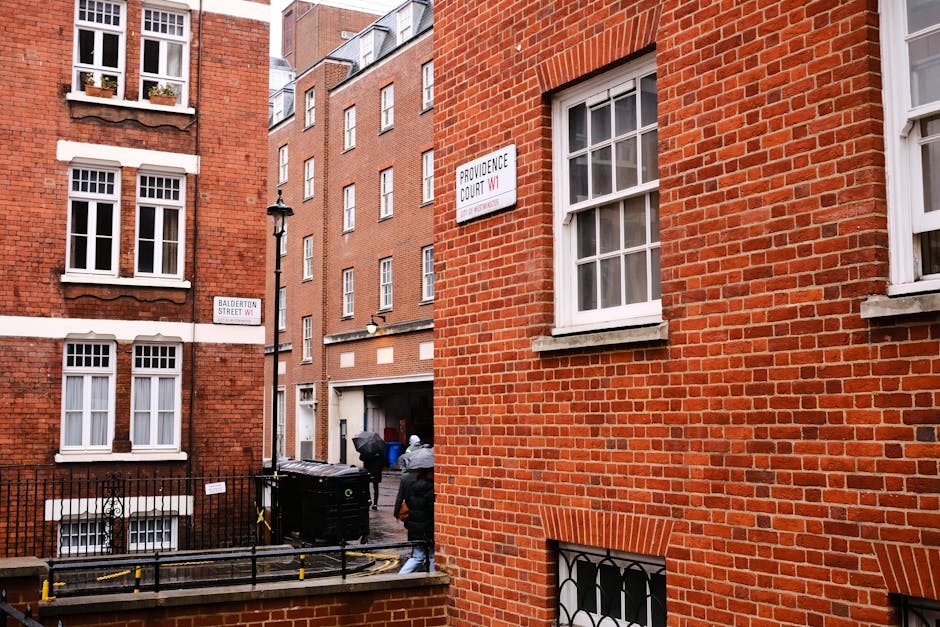
Rubbish removal access issues for basement flats on Thurloe Place
If you live in a basement flat on Thurloe Place, rubbish removal can feel like a small logistical puzzle that somehow turns into a big one. Narrow entrances, steps, awkward corners, low railings, shared hallways, and the simple fact that heavy items never seem to get lighter all make the job more complicated than it looks from the pavement. Rubbish removal access issues for basement flats on Thurloe Place are usually less about the waste itself and more about how to move it safely, quietly, and without upsetting neighbours or damaging the property.
This guide walks through the practical side of getting bulky waste, furniture, and general junk out of a lower-ground or basement home in this part of South Kensington. You'll find out what usually causes access problems, how a clearance team works around them, what to prepare in advance, and which mistakes can turn a straightforward job into a drawn-out headache. To be fair, a bit of planning goes a long way here.
Why Rubbish removal access issues for basement flats on Thurloe Place Matters
Basement flats are often the least convenient homes for waste removal, even when the property itself is beautifully maintained. On Thurloe Place, that matters because access is rarely a simple straight line from front room to van. You may be dealing with a lower-ground entrance off the street, shared stairwells, tight internal turns, or a passageway that can barely fit a mattress, let alone a wardrobe.
When access is poor, the risk of damage rises fast. Scraped walls, chipped plaster, broken banisters, scuffed flooring, and strained backs are all much more likely if the removal plan is improvised. Add in neighbour relations, building rules, and the general reality of London parking and loading constraints, and you can see why planning is not optional. It is the whole game.
There is also a timing issue. Basement jobs often take longer than expected, not because the waste is unusually difficult, but because each item has to be moved with care through a smaller route. If a clearance team understands the access before arrival, they can bring the right number of people, the right lifting equipment, and the right vehicle setup. If they don't, everyone ends up doing extra shuffling on the pavement. Nobody wants that on a wet Tuesday morning.
How Rubbish removal access issues for basement flats on Thurloe Place Works
At its simplest, the process is about matching the removal method to the access available. A good clearance plan starts with a realistic look at the route from the flat to the vehicle. That includes the front entrance, internal stairs, fire doors, corridors, thresholds, communal halls, and the final loading point outside. If a sofa can only pass through at an angle, that matters. If the stairwell narrows halfway down, that matters too.
In practice, a team will often ask for photos or a short description before arriving. That might include the size of the staircase, whether there is a lift, whether parking is close enough for loading, and whether any large items need to be dismantled first. This is especially useful for flat clearance jobs, where access is often the main limiting factor rather than the volume of rubbish.
For basement flats, the crew may use smaller carries, protective blankets, furniture dollies, sack trucks, or team lifting for awkward pieces. The goal is simple: move the waste out without turning the building into a mini building site. If the job includes old cupboards, beds, broken shelving, or heavy white goods, it may also help to separate general rubbish from items better handled through furniture disposal or furniture clearance.
Sometimes access issues are compounded by building layout rather than the flat itself. In older London terraces and mansion blocks, basement entries may be below street level with just a few steps, but the angle of the turn at the bottom is what causes the real delay. That is why a quick visual estimate can be so helpful. One extra bend in the wrong place and a standard two-person lift becomes a four-person carry.
Key Benefits and Practical Advantages
The biggest benefit of handling access issues properly is reduced stress. That sounds obvious, but it really is the main point. When a basement flat clearance is planned around the route, you avoid last-minute improvisation and the weird little moments where everyone stands around trying to decide whether the wardrobe can be tipped, twisted, or somehow folded in half. Spoiler: it usually can't.
There are several other practical advantages:
- Less risk of property damage because items are moved with protection and enough space to manoeuvre.
- Faster completion because the crew arrives prepared for the actual route, not the ideal one.
- Better neighbour relations since fewer people are blocked in hallways or disturbed by repeated attempts.
- Improved safety for anyone carrying heavy or bulky items down narrow stairs.
- Cleaner handover if the flat is being emptied for sale, tenancy change, refurbishment, or probate.
There is also a hidden financial upside. Access complications can increase labour time, and labour time often affects the price. Clear information up front helps the quote stay realistic. If you want to understand how the numbers are usually put together, it is worth reviewing the site's pricing and quotes guidance before booking. A transparent quote is much easier to trust than one that changes after the van has already arrived.
Expert summary: for basement flats, the most efficient rubbish removal plan is not the one with the biggest vehicle. It is the one that fits the building, the staircase, the parking situation, and the item mix without forcing risky manoeuvres.
Who This Is For and When It Makes Sense
This kind of service makes sense for anyone in a basement or lower-ground flat who needs to clear waste that is too large, too heavy, or too awkward to move alone. That might be a tenant preparing to move out, a homeowner clearing inherited items, a landlord turning a flat around between lets, or a managing agent dealing with an end-of-tenancy clearance. It may also be the right solution after refurbishment, when packing materials, broken fixtures, and old furniture have piled up faster than expected.
It is particularly useful when one or more of these apply:
- the staircase is narrow or steep
- the entrance is below street level
- the waste includes sofas, beds, wardrobes, or appliances
- there is limited parking near the property
- items cannot be taken through communal areas without care
- the building has access rules or time restrictions
For larger or mixed-property projects, some people compare a basement flat clearance with a broader home clearance or even house clearance approach. That can be sensible if the job is not just a few bags of rubbish but a full or near-full property emptying. If you're looking at office move-outs or storage clutter too, the same logic applies, only with more paper, desks, and awkward cables than anyone asked for.
Truth be told, the best time to get help is before the pile becomes unmanageable. If you already know the largest item won't fit through the route cleanly, don't wait for a failed DIY attempt. That is how people end up with a sofa wedged halfway round a stairwell and three people suddenly negotiating angles like amateur architects.
Step-by-Step Guidance
Here is a practical way to handle rubbish removal in a basement flat on Thurloe Place without overcomplicating it.
- Walk the route from flat to street. Check every pinch point, turn, step, and doorway. If something looks tight to you, it will probably look tighter with a mattress in hand.
- Sort the items. Separate general rubbish, reusable furniture, fragile items, and anything that needs careful disposal. This helps keep the job tidy and often quicker.
- Measure the awkward pieces. Width, height, and length matter. So does diagonal clearance on stair turns.
- Take photos of the access. A quick set of photos of the entrance, hall, stairs, and any restrictions can save a lot of back-and-forth.
- Check building rules. If there are management requirements, note any restrictions on timing, noise, or shared-area use.
- Ask for a realistic quote. Explain the access clearly and be honest about item size. This is where pricing and quotes becomes genuinely useful.
- Prepare the space. Move small items out of the route, open doors where safe, and keep pets or children away from the carry path.
- Book the right service type. A standard rubbish collection might be enough for bagged waste, but bulky furniture, mixed waste, or refurbishment debris may need a broader waste removal approach.
- Clear the route on the day. Parked bikes, bins, or hallway clutter can add minutes and increase the risk of knocks.
- Do a final sweep. Check cupboards, under beds, and behind doors. One forgotten box is not the end of the world, but it is annoying when the van is already loaded.
A small but important point: if items can be broken down safely before collection, that often helps. But only if it does not create more mess or risk. There is no prize for turning a simple wardrobe into twenty splintery bits because someone got optimistic with a screwdriver.
Expert Tips for Better Results
The best access solutions usually come from small adjustments rather than heroic effort. In our experience, one of the biggest wins is simply clearing a proper working lane before the team arrives. Even a few extra inches can make a basement carry noticeably easier.
Here are a few tips that tend to matter most:
- Use good lighting. Basement entries can feel dim even in daylight. Better visibility reduces mistakes on steps and corners.
- Protect vulnerable surfaces. Put down covers if the route includes polished floors or freshly painted walls.
- Leave doors open only where safe. A door propped wrongly can become a hazard in a tight space.
- Keep the load sequence sensible. Heavy items first, fragile light items last, unless the route demands a different order.
- Don't underestimate parking distance. A 20-metre carry is very different from a 2-metre carry, especially with a bulky chest of drawers.
If the job involves furniture that can be reused or recycled, it can help to separate it early so the team knows what can go where. That is one reason the site's recycling and sustainability information is worth a look. A better sort at the start often means less waste in the wrong stream and fewer surprises at the end.
One more thing: if your basement flat has a history of damp or narrow mouldings, mention that too. Moist environments can weaken cardboard, softwood, and some upholstered items, which makes handling a bit more delicate than it appears from the street. Small detail, big difference.
Common Mistakes to Avoid
Most access problems are manageable. The problems start when people assume the route will be fine because the item is "only medium-sized" or "probably flexible." Furniture has a way of proving confidence wrong.
- Not measuring properly. Guesswork is the enemy of basement clearance.
- Forgetting the turning radius. The item may fit the doorway but not the stair bend.
- Ignoring communal access rules. That can lead to awkward conversations with neighbours or building management.
- Leaving too much to the last minute. Access problems become harder when everyone is rushing.
- Mixing all waste together. Clear sorting speeds up the job and helps with responsible disposal.
- Trying to move oversized items alone. It saves nothing if someone gets hurt or the staircase gets damaged.
Another common mistake is assuming a basement flat is "just a floor lower." Not really. It can change the entire removal process. The load-out route is often the difference between a smooth job and a frustrating one. You can feel it in the pace straight away.
And yes, the old "we'll just carry it sideways" line appears in many homes. Sometimes it helps. Sometimes it just means the wardrobe is now sideways and still not moving.
Tools, Resources and Recommendations
You do not need a shed full of specialist kit to make this easier, but a few basic tools and sensible preparations help a lot.
| Item or resource | Why it helps | Best use |
|---|---|---|
| Measuring tape | Confirms whether furniture will pass through doors and stairs | Before booking and before dismantling |
| Phone camera | Shows access routes clearly without long explanations | Sending access photos to the clearance team |
| Protective blankets | Reduces wall and bannister damage | On tight stairs or around sharp corners |
| Sack truck or dolly | Helps move heavier items with fewer lifts | Flat routes, thresholds, and short carries |
| Strong gloves | Improves grip and protects hands | When handling mixed waste or rough edges |
| Clear bags or labels | Makes sorting quicker and easier to verify | Bagged rubbish and mixed household clutter |
For service planning, the most helpful pages are usually the ones that explain the company's working standards rather than the ones that just promise speed. A good place to check that kind of detail is the site's health and safety policy and insurance and safety information. If you are inviting a team into a shared building with tight access, those details matter. A lot.
If the clearance is part of a wider property project, you may also want to explore related services such as builders waste clearance for renovation debris or loft clearance if the job is part of a broader declutter. The right service match can save time and reduce the number of hand-offs.
Law, Compliance, Standards, or Best Practice
For basement flat rubbish removal, the most relevant compliance issues usually relate to safe handling, proper disposal, and building access etiquette. You do not need to become a legal expert to book a clearance, but it helps to know the broad expectations.
In the UK, waste should be handled responsibly and passed to a legitimate carrier. That means you should be cautious about anyone who turns up without clear identification, proper vehicles, or a sensible explanation of where the waste will go. If you are clearing out mixed waste, appliances, or items that could be reused, the collection should still be managed in a way that keeps the route safe and the disposal lawful.
Best practice also matters inside the building. Communal hallways, stairs, and entrances should be treated with care, and any shared spaces should be left tidy. If there are landlord, leasehold, or managing agent instructions, follow them. It sounds obvious, but access disputes often begin with small things: a door left open, a bin store blocked, or an item resting in a common area for too long.
From a safety point of view, the rule is simple: if an item is too awkward for one person to move, do not force it. Use enough people, use the right aids, and avoid risky carries. That is the sensible standard, even before you start talking about policy documents. On a practical level, you should also make sure you are comfortable with service terms and payment expectations. The company's terms and conditions and payment and security pages can help set those expectations early.
Options, Methods, or Comparison Table
There is more than one way to deal with rubbish from a basement flat. The right option depends on item size, access, urgency, and how much you want handled in one go.
| Method | Best for | Strengths | Limitations |
|---|---|---|---|
| DIY carry-out | Small, bagged waste with easy access | Low cost if you already have help | Higher physical effort, more risk on stairs |
| Partial dismantling then removal | Bulky furniture with tight turns | Makes large pieces manageable | Needs tools and a bit of time |
| Full clearance team | Mixed waste, furniture, or time-sensitive jobs | Fast, safer, better for awkward access | Usually more expensive than DIY |
| Staged removal | Very constrained basement access | Reduces pressure on one visit | Takes longer overall |
If the basement access is particularly awkward, a full clearance team is usually the most sensible option because it avoids repeated lifting and repeated mistakes. For lighter jobs, bagged waste and a careful run through the route may be enough. The trade-off is simple: cost versus convenience versus safety. There is no perfect answer every time, only the least annoying one for your circumstances.
Case Study or Real-World Example
Imagine a basement flat on Thurloe Place that needs clearing before a tenancy handover. The flat has a narrow entrance, a short flight of steps down from street level, and one stubborn corner in the hallway where a sofa catches on the wall unless it is angled just right. There are also two bedside tables, a mattress, several bin bags, and a disassembled shelving unit.
Without planning, that job could easily become messy. The crew arrives, discovers the sofa is heavier than expected, and spends ten minutes trying different angles while the hallway fills with traffic. The route gets scratched, the neighbours notice the delay, and the job feels twice as long as it should.
Now compare that with a planned approach. The access photos are shared in advance. The sofa is measured, the shelf is already taken apart, and the team knows to bring the right lifting setup. They protect the stair edges, carry items in the correct order, and keep the route clear. The work still takes effort, but it feels calm. Efficient. No drama, which is nice for everyone.
That is usually how access planning pays off. Not with a flashy result, just with fewer problems.
Practical Checklist
Use this checklist before booking rubbish removal from a basement flat on Thurloe Place.
- Measure the largest item in all key dimensions.
- Check the narrowest doorway, stair turn, and hallway pinch point.
- Take clear photos of the access route.
- Separate general rubbish from furniture and reusable items.
- Confirm whether any building rules or time limits apply.
- Clear the route of bikes, mats, bins, and loose clutter.
- Think about parking and loading distance.
- Tell the team about low ceilings, damp areas, or fragile surfaces.
- Ask about insurance, safety, and disposal standards.
- Review pricing and quote details before agreeing.
- Prepare any items that need dismantling in advance if safe to do so.
- Do a final sweep of cupboards, under beds, and storage spaces.
If you want a little extra reassurance before going ahead, you can also read more about the company on the about us page and see the full range of services listed on the homepage at the main website. That can help you judge whether the service is the right fit for your building and your timeline.
Conclusion
Rubbish removal access issues for basement flats on Thurloe Place are really about one thing: turning a difficult route into a manageable one. If the access is tight, the stairs are awkward, or the building layout is unforgiving, success depends on planning, honesty, and the right removal method. Once those pieces are in place, the job becomes much less stressful and usually much safer too.
The main lesson is simple. Measure first, explain the access clearly, and choose a service that understands lower-ground properties. That way, you avoid rushed lifting, prevent damage, and keep the whole process smooth for you and for the people sharing the building. A little preparation now can save a lot of trouble later. And frankly, that is a relief all by itself.
When you are ready to move forward, keep things straightforward and ask for a clear quote based on the real access conditions at your flat.
Get a free quote today and see how much you can save.
Frequently Asked Questions
What makes rubbish removal harder in a basement flat on Thurloe Place?
Basement flats usually involve narrow staircases, tight turns, low doorways, shared hallways, and limited outdoor loading space. The problem is not just the waste; it is moving it safely through the property.
Can bulky furniture be removed from a basement flat?
Yes, usually. The main question is whether the item can fit through the access route or needs to be dismantled first. Sofas, wardrobes, and beds are common examples where planning makes all the difference.
Do I need to measure the access route before booking?
It is strongly recommended. Measuring doorways, stair widths, and the widest item helps avoid failed carries and surprises on the day. A few quick measurements can save a lot of time.
How do I know if my item should be classed as furniture clearance rather than general rubbish?
If the item is a reusable or bulky household piece such as a sofa, bed, cabinet, or table, it often fits better under furniture clearance or furniture disposal. Bagged waste and mixed small items usually fall under general waste removal.
What if the stairwell is too tight for my sofa?
Then the team may need to dismantle the item, carry it in sections, or use a different removal strategy. In some cases, it is simply not worth forcing the move through the building without the right preparation.
Will access issues make the job more expensive?
They can, because more time and more labour may be needed. That said, a clear explanation up front usually gives you a more accurate quote, which is better than a cheap estimate that changes later.
How can I prepare a basement flat for rubbish removal?
Clear the route, take measurements, separate the waste, and tell the team about any pinch points, parking limits, or building rules. If you can take photos of the access, even better.
Is it safe to move heavy items down basement steps myself?
Only if the item is manageable and the route is genuinely safe. Heavy or awkward items can easily cause injury or damage, so if there is any doubt, it is wiser to use a professional clearance team.
What happens if my building has shared access rules?
You should follow them and inform the clearance team in advance. Shared spaces need to be kept clear and respectful, especially in smaller or more formal London properties.
Can rubbish removal be combined with a full flat clearance?
Absolutely. If you are emptying a basement flat rather than just removing a few bags, a broader flat clearance can be a much better fit. It keeps the job organised and usually more efficient.
What should I ask before accepting a quote?
Ask how access affects the price, whether dismantling is included, how the waste will be handled, and whether there are any extra charges for difficult carries or parking issues. Clear answers are a good sign.
Where can I check service standards and policies?
It is sensible to look at the company's health and safety, insurance, pricing, and sustainability information. Those pages help you understand how the work is carried out and what standards to expect.
If the route looks awkward, don't panic. Most access problems can be managed with the right preparation, and once the plan is clear, the whole thing usually feels much easier than it did at the start.