Rubbish removal guide for Old Brompton Road South Kensington
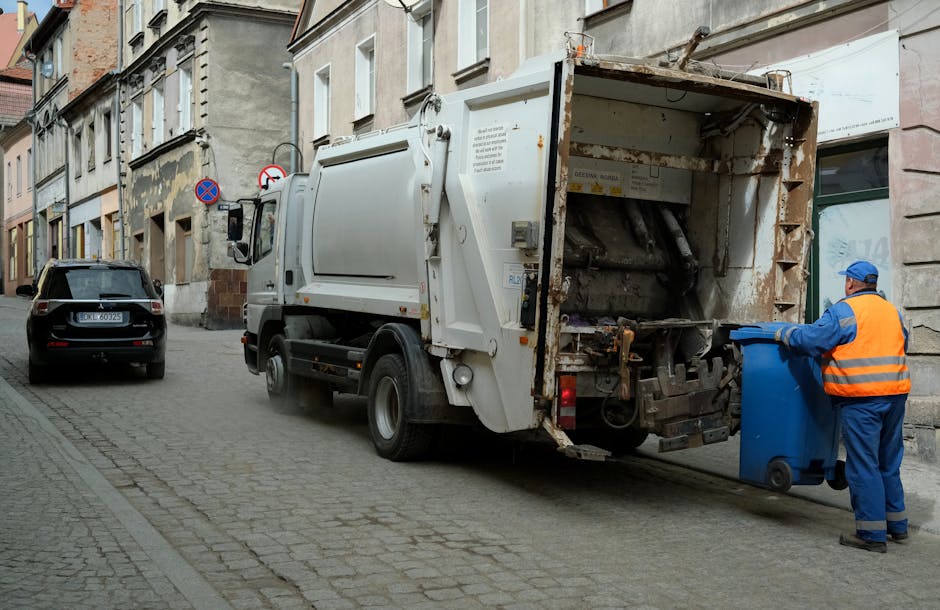
If you live, work, or manage a property near Old Brompton Road, rubbish removal can get complicated quickly. Flats have tight access, mews roads can be awkward for loading, and one missed bag can turn into a cluttered hallway by tea-time. This Rubbish removal guide for Old Brompton Road South Kensington is here to make the whole job easier: what to clear, how to plan it, what to avoid, and when a professional clearance service is the sensible option.
Whether you are dealing with household clutter, a post-refurbishment mess, old furniture, or routine commercial waste, the right approach saves time and stress. It also helps you stay tidy, safe, and considerate of neighbours. Let's face it, nobody wants rubbish sitting outside longer than it has to.
Why Rubbish removal guide for Old Brompton Road South Kensington Matters
Old Brompton Road sits in a busy part of South Kensington where property types vary a lot: basement flats, period townhouses, offices, rented apartments, and mixed-use buildings. That variety matters because rubbish removal is rarely as simple as "put it out and forget it". Space is limited. Access can be narrow. Timing matters too, especially where bin storage is shared or collection points are already full.
A good rubbish removal plan keeps your space usable and avoids the classic pile-up effect. One broken wardrobe becomes two bags, then a lamp, then a box of old wires, and suddenly the flat feels smaller than it did yesterday. You know how it goes. A structured clearance approach helps you regain control before the mess spreads room by room.
It also matters for presentation. In an area like South Kensington, whether you are preparing a property for sale, clearing a rental between tenancies, or tidying a business premises, the appearance of the space affects first impressions. Clean, quick removal can make a room feel properly finished rather than "almost there".
There is also the practical side: safe handling, responsible sorting, and a sensible route for items that can be reused or recycled. If you want a service-led approach, browsing the site's waste removal information is a useful starting point, while more specific needs such as furniture disposal or builders waste clearance can help you match the job to the right type of clearance.
How Rubbish removal guide for Old Brompton Road South Kensington Works
In practice, rubbish removal usually follows a simple rhythm: assess, sort, load, remove, and dispose responsibly. The details change depending on what you are clearing, but the overall flow stays the same.
First, identify the waste streams. Is it general household rubbish, bulky furniture, renovation debris, garden waste, or office clutter? That matters because mixed waste can be more time-consuming to handle, and some items need separate treatment. A fridge is not the same as a cardboard box, and a plasterboard offcut is not the same as an old sofa. Obvious, maybe, but easy to blur when a room is packed.
Next comes access planning. On Old Brompton Road, access can affect how quickly items can be collected. Think about lift availability, stair width, parking, loading space, and whether items need to be carried through shared hallways. The smoother the access, the quicker the clearance. The slower the access, the more you need to plan ahead.
After that, items are removed from the property, sorted where possible, and moved for reuse, recycling, or disposal. Good operators try to separate recyclable materials and keep reusable goods out of landfill where they can. If sustainability matters to you, the company's recycling and sustainability information is worth a look.
For many people, the most convenient route is a scheduled collection with clear pricing. If you are comparing options, the pricing and quotes page can help you understand how a quote is usually framed before you make a decision.
Key Benefits and Practical Advantages
The main benefit is obvious: less clutter. But the real value is broader than that. A well-managed rubbish removal job reduces stress, improves safety, and gives you your space back faster than trying to tackle everything in odd little batches over several weeks.
- Faster turnaround: ideal when a tenancy is ending, a room needs staging, or works have finished and you need the property clear quickly.
- Better safety: fewer trip hazards, less lifting strain, and less chance of stacking items in a way that causes damage.
- Cleaner presentation: helpful for viewings, family visits, handovers, or business operations.
- Smarter disposal: items can often be sorted for reuse or recycling instead of going straight to mixed waste.
- Less disruption: especially important in flats and shared buildings where neighbours notice prolonged mess.
There is also the mental benefit, which people often underestimate. A clear hallway or cleared garage changes how a place feels. Suddenly, you can find the thing you actually need. A charger, a spare key, the kettle stand. Small things, but they matter.
For larger or more specific jobs, service pages such as house clearance, flat clearance, garage clearance, and loft clearance show how different waste types and property layouts can be handled in a more targeted way.
Who This Is For and When It Makes Sense
This guide is useful for a surprisingly wide range of people. If you are living on Old Brompton Road itself, in a nearby flat, or running a business in South Kensington, there is a good chance you will need rubbish removal at some point. Truth be told, most properties do, sooner or later.
It makes sense for:
- homeowners clearing clutter, old furniture, or loft storage
- tenants preparing for move-out or wanting a fresh start
- landlords between lets, especially after long occupancies
- estate agents and property managers needing a quick turnaround
- builders or decorators dealing with leftover materials
- office managers clearing desks, filing, packaging, or redundant equipment
- business owners needing routine or one-off waste support
Sometimes the decision is obvious. A sofa will not fit in the lift. A broken wardrobe is too bulky for the bin store. A renovation leaves plaster, timber, and packaging everywhere. Other times it is more about convenience than urgency. If you can clear a room in an hour with help, why spend a weekend dragging bags downstairs in stages?
For commercial spaces, the right route may be business waste removal or an office clearance if furniture, documents, and general office clutter all need to go together.
Step-by-Step Guidance
Here is a practical way to approach rubbish removal without making it harder than it needs to be.
- Walk through the space slowly. Make a simple list of what needs to go. Keep it practical, not perfect.
- Separate the waste types. Put furniture, general rubbish, builders' waste, electrical items, and reusable things into rough groups.
- Check access. Measure awkward items, note any stairs, lifts, or parking limits, and think about the route out of the building.
- Decide what can be reused. If something still has life in it, keep it separate. No point binning a usable chair if it can be passed on.
- Remove obvious hazards first. Glass, loose nails, broken panels, and sharp edges should be handled early.
- Book the clearance or arrange disposal. For larger jobs, get a clear quote and confirm what is included.
- Prepare the collection point. Keep items together where possible so the actual removal is quick and tidy.
- Do a final sweep. Check cupboards, behind doors, and under shelves. That one stray cable always seems to hide until the end.
If the job is more specialised, matching the clearance type to the material helps avoid confusion. For example, furniture clearance is ideal for bulky household items, while furniture disposal is useful if the main issue is unwanted items that are not suitable for reuse.
If you are clearing a property after works, the route can be closer to builders waste clearance, which is usually more efficient when rubble, timber, packaging, and offcuts are all mixed together.
Expert Tips for Better Results
A few small decisions make rubbish removal much smoother. In our experience, the best jobs are rarely the most dramatic ones; they are the ones that have been thought through quietly beforehand.
- Start with the biggest items. Large pieces dictate space and access, so move them out of the way mentally first.
- Keep one "maybe" pile. If you are unsure about an item, do not let it block the whole process. Decide on it later, but do decide.
- Protect common areas. In shared buildings, a bit of care with lifts, walls, and stair edges goes a long way.
- Ask about sorting. If sustainability matters to you, check how recyclable materials are handled.
- Be realistic about time. Clearing a cupboard is not the same as clearing a fully furnished flat. Simple, but easy to underestimate.
One useful habit: photograph the space before collection. Not because you need evidence for everything, but because it helps you spot what is still left, and it makes quote discussions far easier if the job changes halfway through.
If you want confidence around trust and handling standards, review the company's insurance and safety information and health and safety policy before booking. It is a small step, but a sensible one.
Common Mistakes to Avoid
Most rubbish removal problems come from trying to rush the job. That sounds simple, but it is true. The same mistakes show up again and again.
- Leaving everything mixed together. This makes sorting slower and can increase the chance of items being treated as general waste when they could have been separated.
- Not checking access. A bulky item that does not fit through the stairwell can derail a schedule fast.
- Forgetting about parking or loading restrictions. In central London, that can be the difference between a smooth pickup and a frustrating delay.
- Assuming all items can go together. Electricals, heavy waste, and reusable furniture are often handled differently.
- Underestimating the amount of waste. A clear-out often reveals more than you expected. Bags breed. Somehow.
Another easy mistake is not reading the small print around what is included in a quote. If you are comparing providers, check whether labour, loading, disposal, and sorting are all covered, or whether certain items carry extra conditions. The terms and conditions page is useful for understanding how a service frames its responsibilities.
For payment concerns, the site's payment and security page can also help set expectations before you commit.
Tools, Resources and Recommendations
You do not need much to organise rubbish removal well, but the right few tools help. A tape measure, gloves, bin bags, labels, a marker pen, and a phone camera are often enough to get started. Nothing fancy. The glamorous life of clearance planning, eh?
Useful practical resources include:
- a simple room-by-room list
- labels or sticky notes for items to keep, donate, reuse, or remove
- strong bags or boxes for loose items
- basic protective gloves for sharp or dusty materials
- a clear access route from the room to the exit
For property-led clearances, it can help to look at broader service categories on the same site. A cluttered basement room may need home clearance, while an overfilled storage space may fit under garage clearance or loft clearance. The right label does not just sound tidy; it helps shape the actual work.
If you want the company background before booking, the about us page is the place to start, especially if you prefer to know who will be handling the job and how they present their service.
Law, Compliance, Standards, or Best Practice
Rubbish removal in the UK is not just about tidiness. There are legal and practical responsibilities around waste handling, duty of care, and safe disposal. You do not need to become a waste expert overnight, but you should expect any provider to follow proper procedures and handle waste responsibly.
In plain English, that means the waste should be collected, transported, and disposed of in a way that is lawful and traceable. It also means the service should be careful with hazardous or restricted materials, and should not encourage shortcuts that leave you exposed to avoidable risk. If a job involves unusually heavy, sharp, or contaminated materials, caution matters even more.
Best practice usually includes:
- clear identification of the waste type before collection
- safe lifting and loading methods
- careful handling in shared or confined spaces
- separation of recyclable or reusable items where practical
- transparent pricing and service terms
If you are comparing providers, it is sensible to check recycling and sustainability, insurance and safety, and the service's stated policies before you hand over a job. That is not overthinking it; that is just sensible.
For businesses, routine clearance and disposal planning is often best handled through business waste removal, where repeat needs and operational timing can be managed more cleanly.
Options, Methods, or Comparison Table
There is more than one way to deal with rubbish on Old Brompton Road. The best choice depends on volume, access, urgency, and the type of waste involved.
| Method | Best for | Advantages | Watch-outs |
|---|---|---|---|
| Self-clearing in stages | Small, light, non-urgent jobs | Low immediate cost, full control | Time-consuming, physically demanding, easy to drag on |
| Scheduled professional collection | Mixed waste, bulky items, time-sensitive clearances | Fast, convenient, less lifting and sorting | Needs accurate planning and a clear quote |
| Specialist property clearance | Flats, houses, lofts, garages, offices | Matched to the space and waste type | Requires clearer scope definition |
| Targeted item disposal | Single items such as sofas, beds, or tables | Simple for one-off bulky items | Can become less efficient if the pile grows |
If the job is mostly one or two large pieces, targeted furniture clearance can be the neatest route. If the space is more like a "whole room reset", broader clearance options are often better value and less stressful.
Case Study or Real-World Example
Here is a realistic example. A landlord near Old Brompton Road needed a one-bedroom flat cleared between tenancies. The flat had a sofa, a small wardrobe, bags of mixed household waste, an old mattress, and a few boxes of odds and ends left in the cupboard under the sink. Nothing dramatic, just enough to stop decorators moving freely.
The first challenge was access. The building had a narrow stairwell, so the large items had to be planned in the right order. The second challenge was sorting. Some items could be separated quickly, but the mixed waste needed attention because it had been piled together in a few corners. Once the biggest items were out, the flat suddenly felt much larger. You could hear the echo again, which is always a good sign in a clearance job.
The useful lesson? The fastest clearance is usually the one that has been pre-sorted just enough to avoid chaos. Not perfectly sorted. Just enough. A bit of thought at the start can save a lot of time at the end. That's the bit people miss.
For a situation like that, a combination of flat clearance and furniture handling is often a better fit than trying to treat each item separately.
Practical Checklist
Use this checklist before collection day or before you start loading items yourself.
- Identify what is being removed
- Separate bulky items from loose waste
- Set aside anything to keep or donate
- Check stairs, lift access, and parking
- Measure any awkward furniture or appliances
- Confirm whether the waste is general, mixed, or specialist
- Clear a route from the room to the exit
- Protect floors or walls if needed
- Remove fragile or hazardous items first
- Review quote details and what is included
- Make sure someone is available to answer questions on the day
- Do a final sweep of cupboards, shelves, and corners
If you are dealing with clutter from multiple parts of a property, combining services can be more efficient than splitting the work into tiny jobs. For instance, a mix of home clearance and garage clearance may be a better fit than booking separate visits.
Key takeaway: the best rubbish removal jobs are planned just enough to keep access easy, sorting sensible, and the final result properly clean.
Get a free quote today and see how much you can save.
Conclusion
Rubbish removal on Old Brompton Road is rarely about just "getting rid of stuff". It is about restoring order in a busy part of London where access, timing, and building layout all influence the result. A little planning makes a big difference, and the right service match can turn a frustrating chore into a straightforward job.
If you remember only one thing from this guide, make it this: sort the space, know the access, and choose the clearance method that fits the waste. Do that well, and everything else gets easier. There is a quiet relief in seeing a clear room again, and honestly, that feeling is hard to beat.
When you are ready, the next sensible step is to compare the relevant service details, check the terms, and ask for a clear quote that matches your actual job rather than a rough guess. A tidy plan, a tidy space. Simple, really.
Frequently Asked Questions
What counts as rubbish removal on Old Brompton Road?
It usually includes the collection and disposal of household waste, bulky items, mixed clutter, old furniture, and sometimes builders' or office waste. The exact scope depends on the property and the material involved.
Is rubbish removal different from house clearance?
Yes, usually. Rubbish removal is a broader term for taking away unwanted waste, while house clearance focuses on clearing the contents of a home or a large part of it. They overlap, but they are not quite the same job.
How do I know whether I need flat clearance or furniture disposal?
If the job is mainly one or two items, furniture disposal may be enough. If you are clearing several rooms or a whole flat, a flat clearance is usually the better fit because it is designed for broader household clearing.
Can rubbish be removed from a flat with no lift?
Usually yes, but access needs to be planned carefully. Stair width, item size, and the number of floors all affect how the job is handled, so it is worth mentioning these details early.
What should I do before a clearance team arrives?
Separate items you want to keep, clear a path to the exit, and identify anything fragile, heavy, or awkward. A quick walkthrough before the appointment can save a surprising amount of time.
How can I keep costs under control?
Be accurate about the volume and type of waste, group items where possible, and avoid last-minute additions if you can. Clear information usually leads to a more reliable quote and fewer surprises.
Are builders' leftovers treated differently from household rubbish?
Yes, often they are. Material like rubble, timber, plasterboard, and packaging can be handled differently from domestic waste, which is why builders waste clearance is often the right route for renovation jobs.
What happens to reusable items during rubbish removal?
That depends on the service and the condition of the items. Good practice is to separate anything reusable or recyclable where practical, rather than sending everything into the same waste stream.
How long does a typical rubbish removal job take?
It varies a lot. A single bulky item might be dealt with quickly, while a full flat clearance or mixed waste job may take longer because of sorting, access, and loading.
What if I have office waste rather than home waste?
Then office clearance or business waste removal is likely to be more suitable. Office waste can include desks, chairs, files, packaging, and general clutter, so it is usually better handled as a commercial job.
Do I need to worry about safety and insurance?
Yes, you should. Rubbish removal involves lifting, carrying, and navigating buildings, so checking the provider's safety approach and insurance cover is a sensible step before booking.
What is the best first step if I'm overwhelmed?
Start with one room and one type of item. That small win helps reduce the pressure. Then move through the rest of the property in a calm, practical order. No need to do everything at once.